Eat Clean,
Spend Less,
Grow Your Own
How to find affordable organic food, grow thriving fruits in beautiful ceramic pots, and sidestep the hidden dangers of microplastics — all without breaking the bank.
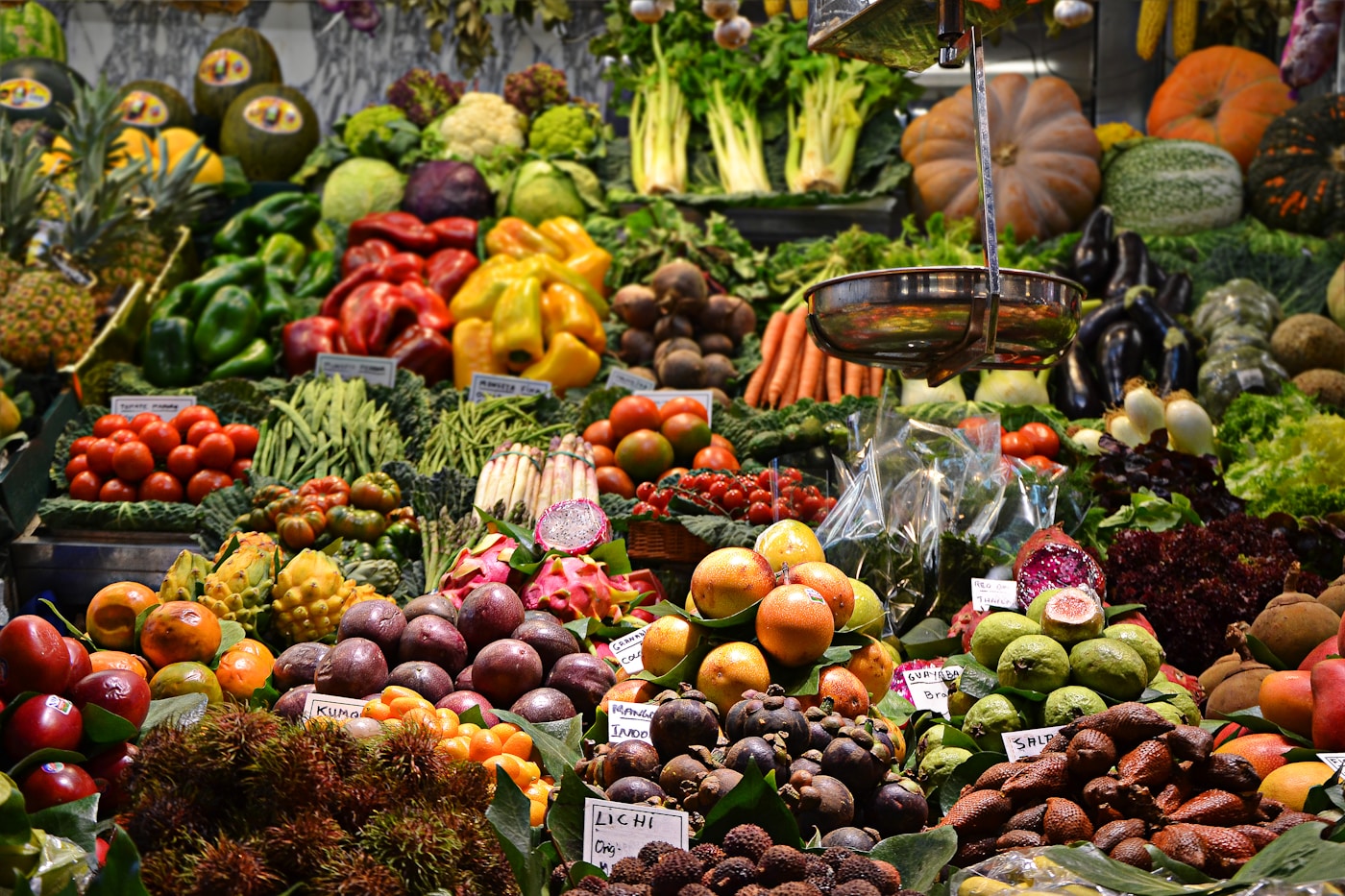
Organic food was once a luxury reserved for specialty shops and hefty grocery budgets. Today, the gap between wanting to eat clean and actually being able to afford it feels wider than ever — organic fruits and vegetables now cost an average of 59% more than their conventional counterparts, and that premium jumped another 10% between early 2025 and early 2026. But here's the secret the grocery industry doesn't advertise: with the right strategies, eating organic is genuinely within reach — and growing some of it yourself can be even more rewarding than you'd expect.
This guide walks you through three interconnected ideas: how to shop smart for organic food on a budget, how to grow your own fruits in beautiful ceramic or terracotta pots (even on a balcony or windowsill), and why going plastic-free in your garden is both healthier and smarter than you might think.
Finding Organic Food When You're on a Budget
The case for going organic is well established: produce grown without synthetic pesticides, fertilizers, and genetic modification is better for your body, for farmworkers, and for the broader ecosystem — including the pollinators and soil microbes that sustain all agriculture. The obstacle is cost. But that obstacle has more workarounds than most people realize.
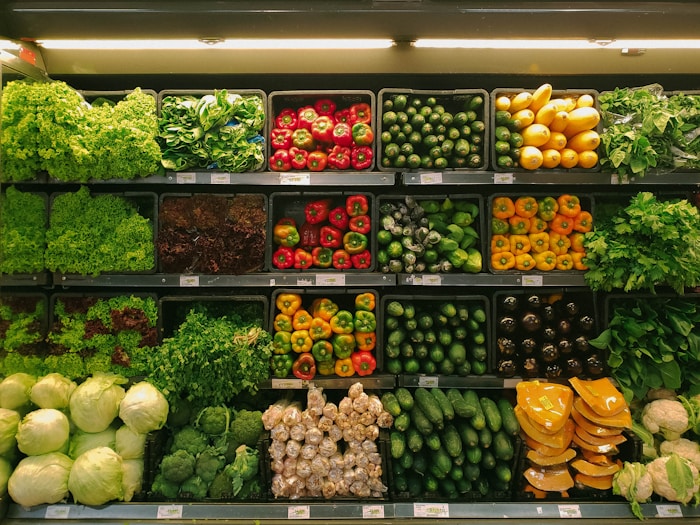
Shopping smart: store-brand organics and bulk buys can cut costs dramatically
"Many farmers follow organic methods but skip the costly and time-consuming USDA certification process — you won't know unless you ask."
— U.S. News & World Report, Organic Shopping GuideShop the Dirty Dozen First
Not everything needs to be organic. The Environmental Working Group (EWG) publishes its annual "Dirty Dozen" — the 12 produce items with the highest pesticide contamination — and its "Clean Fifteen" — the 15 least contaminated. Buying organic strategically, focusing your budget on the Dirty Dozen while buying conventional for the Clean Fifteen, is one of the most effective ways to reduce pesticide exposure without overspending.
EWG's Dirty Dozen & Clean Fifteen — 2026
Based on USDA Pesticide Data Program testing of 47 fruits & vegetables · Environmental Working Group
🚨 Buy These Organic (Dirty Dozen)
- Spinach
- Strawberries
- Kale, Collard & Mustard Greens
- Grapes
- Peaches
- Blueberries
- Pears
- Nectarines
- Apples
- Cherries
- Blackberries
- Potatoes
✅ Conventional Is Fine (Clean Fifteen)
- Avocados
- Sweet Corn
- Pineapples
- Onions
- Papaya
- Asparagus
- Cabbage
- Cauliflower
- Mushrooms
- Kiwi
- Mangoes
- Watermelon
- Bananas
- Carrots
- Sweet Peas (frozen)
Note: Samples of all Dirty Dozen produce (except cherries) showed more than 50 distinct pesticides. Over 95% of Dirty Dozen items still had pesticide residues even after washing and peeling. Source: EWG Shopper's Guide 2026 / USDA Pesticide Data Program.
6 Proven Budget Strategies for Organic Shoppers
Organic staples like grains, legumes, nuts, and seeds cost significantly less per unit when purchased in bulk. Many co-ops and natural food stores have dedicated bulk sections — bring your own containers for extra savings.
Visit farmers markets close to closing time, when vendors are eager to clear their stock and may discount produce. Even if items aren't certified organic, many small farmers use organic practices without the expensive certification.
Stores like Aldi, Trader Joe's, and Costco carry USDA-certified organic store-brand products at prices well below name brands. Private-label organics offer the same certification at a meaningful discount.
The cornerstone of organic shopping on a budget is a weekly meal plan. Knowing exactly what you need eliminates impulse buys and food waste — two of the biggest budget killers. Build meals around overlapping ingredients.
Frozen organic produce is often less expensive than fresh, nutritionally comparable, and available year-round regardless of season. Stock up on organic frozen berries, peas, corn, and spinach for smoothies and cooking.
Community Supported Agriculture (CSA) programs let you buy a seasonal "share" directly from a local farm at lower per-pound prices. Many CSAs accept SNAP/EBT, and some even double dollar value at farmers markets.
Grow Your Own Fruits in Ceramic Pots
The most radical act of budget organic eating isn't finding cheaper organic produce — it's not needing to buy certain things at all. Growing your own fruits in ceramic or terracotta containers is simpler than most people assume, requires no garden, and pays off in flavour, savings, and satisfaction that no supermarket can replicate.
One gardener quoted by Utah's KUER Radio put it plainly: she doesn't buy vegetables from July through November at all. Seeds cost a few dollars and can sustain an entire growing season — a fraction of the price of buying the same produce organic at retail.
Best Fruits to Grow in Pots
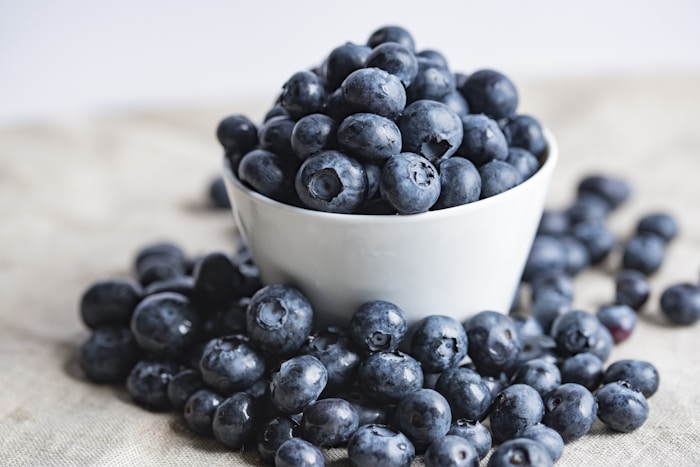
Berries are the undisputed champions of container gardening — naturally compact, prolific, and among the most pesticide-contaminated produce you can buy conventionally (making the decision to grow your own even more meaningful). Here's a practical growing guide:
| Fruit | Min. Pot Size | Notes | Pot Type |
|---|---|---|---|
| 🍓 Strawberries | 10–12" deep | Perfect for classic terracotta strawberry pots with side pockets. Plant early, mid, and late-season varieties together for harvests from spring to early autumn. Feed with high-potash liquid fertiliser every 10–14 days once flowering begins. | Terracotta strawberry jar |
| 🫐 Blueberries | 18–24" wide | Love acidic soil — easier to maintain in pots than ground. Compact varieties like 'Top Hat' or 'Jelly Bean' stay decorative year-round. Plant two compatible varieties to boost pollination and yields. Ceramic holds moisture well. | Large glazed ceramic |
| 🍋 Lemons & Citrus | 14–20" diameter | Excellent pot subjects that love warmth and good drainage. Terracotta's breathability is ideal for citrus roots. Bring indoors in frost. Need at least 6 hours of direct sun daily. | Unglazed terracotta |
| 🫐 Blackberries & Raspberries | Large tub (5+ gal) | Surprisingly well-suited to containers. Trailing varieties look stunning in large ceramic containers or hanging baskets. Ceramic's moisture retention suits these water-loving berries. | Large glazed ceramic |
| 🍑 Figs | 12–18" container | Container-grown figs actually fruit better when roots are slightly restricted. Varieties like 'Petite Negra' or 'Little Miss Figgy' are bred for small spaces. Needs 6+ hours of sun. Allow soil to dry between waterings. | Terracotta or ceramic |
| 🍅 Tomatoes (small variety) | 12–14" deep | Cherry and patio tomatoes thrive in pots. Among the most pesticide-heavy produce when bought conventional — a compelling reason to grow your own. Full sun essential. | Unglazed terracotta |
The beauty of ceramic and terracotta is not just aesthetic. Unglazed terracotta is breathable — it allows air and moisture to pass through the walls, which prevents root rot and promotes stronger, healthier root systems. Glazed ceramic pots hold moisture longer, which suits water-loving fruits like blackberries and blueberries beautifully.
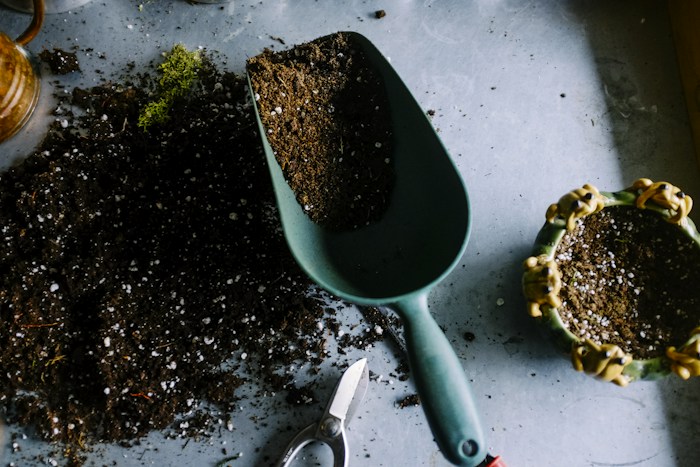
The Hidden Danger of Plastic Pots — and the Safe Alternatives
Here's a fact most home gardeners don't know: the plastic pot your tomatoes are growing in could be contaminating your harvest. Microplastics — tiny plastic particles under 5mm — are now recognized as an emerging health risk, and plastic garden containers are one of their sources in the home garden.
Microplastics are now found in most conventional garden soils
What the Science Says About Microplastics in Gardens
Nanoplastics — even smaller than microplastics — can penetrate plant roots and circulate into stems, leaves, and fruit. Once inside plant tissue, they cause oxidative stress that damages cells, reduces germination and growth, and can impair photosynthesis. They also act like sponges for pollutants, carrying heavy metals and pesticides directly into plant tissues. (Source: Laidback Gardener / peer-reviewed literature, 2025)
A peer-reviewed study published in Science of the Total Environment (ScienceDirect, 2023) found that two of the most common soil microplastics — PET and PVC — decreased fruit numbers in tomato plants even at environmentally realistic concentrations. PVC also caused a significant reduction in plant fresh weight. The University of Maryland Extension now explicitly warns: "Cracked, degraded plastic containers release microplastics and possibly toxins and should not be planted with edible crops."
Your Microplastic-Free Growing Checklist
- Use ceramic or unglazed terracotta pots. Unlike plastic, ceramic materials do not leach harmful chemicals into the soil. They are also far more resilient to UV light and weathering, meaning they last longer and don't degrade into microparticles. (Source: Euroflorist / environmental research)
- Choose certified organic compost. Conventional soils and composts can contain traces of microplastics. Certified organic compost is made from natural, uncontaminated materials — or make your own from kitchen scraps and garden cuttings for complete control.
- Avoid plastic mulches and weed barriers. These break down over time and release microplastics into soil. Switch to natural alternatives like bark chips, straw, or dried leaves.
- Use natural plant ties. Swap plastic zip ties and twist-ties for natural twine, strips of old cloth, or even cut pantyhose. Small but meaningful reductions.
- Avoid black plastic sheeting. Though popular for weed control and soil warming, black plastic sheeting is one of the biggest sources of microplastic contamination in home gardens. Use cardboard or newspaper under mulch instead.
- Choose wooden or metal tools where possible. Plastic tools don't contribute as much as containers, but every reduction helps — and metal and wood tools last far longer, saving money long-term.
Is Growing Your Own Actually Cheaper?
The honest answer: it depends — but for many fruits, especially berries, the math is compelling. Consider that organic strawberries (one of the most pesticide-contaminated produce items) have seen price surges in recent years. A packet of organic strawberry seeds or a few bare-root runners costs a few dollars. A well-maintained plant in a ceramic pot can produce fruit over multiple seasons.
Higher & Rising
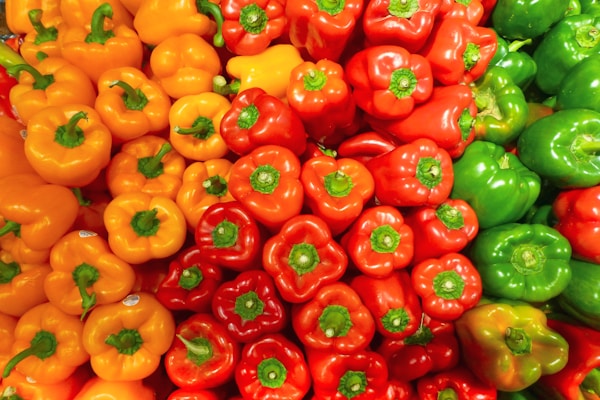
Organic produce prices rose 10% between January 2025 and January 2026 — while conventional prices stayed nearly flat at 0.3%. Organic Roma tomatoes cost 134% more than conventional; organic bell peppers cost 131.5% more. The gap is widening, not narrowing. For budget-conscious households, this trajectory makes strategic growing increasingly attractive.
Source: LendingTree analysis of USDA data, 2026
Modest Start, Real Savings
Vegetable and fruit seeds cost a couple of dollars — a small investment that can supply produce across an entire growing season (roughly July through November in temperate climates). A ceramic pot is a one-time purchase that lasts years or decades. Save your own seeds, and your annual seed cost approaches zero. Many experienced home growers report buying no vegetables at all for five or more months of the year.
Source: KUER Radio / New Dream / home gardening data
"I don't really buy vegetables over the summer at all and through the fall — basically July, August, September, October, November is kind of what I can get through."
— Home Gardener interviewed by KUER Radio, December 2025The upfront costs of container gardening — a ceramic pot, quality potting soil, seeds or starter plants — are real, but they amortize quickly. A $30–$50 terracotta strawberry pot, filled with a $5 bag of organic potting mix and $6 worth of strawberry runners, can deliver pound after pound of strawberries (which, bought organic, cost $5–$8/lb) across multiple seasons. The returns are tangible.
More importantly, what you grow yourself is, by definition, as organic as you make it. Use organic compost, no synthetic pesticides, and a ceramic pot — and you have produce that out-cleans anything in the supermarket, harvested at peak ripeness, with zero food miles.
📚 Sources & References
- LendingTree / USDA: Organic vs. Conventional Food Prices Analysis, 2026 — lendingtree.com
- EWG: Shopper's Guide to Pesticides in Produce — Dirty Dozen & Clean Fifteen, 2026 — ewg.org
- KUER Radio: "Organic on a budget is about trade-offs in time and money," December 2025 — kuer.org
- Harris Poll / Flashfood: Survey on American food savings priorities, January 2025 — businesswire.com
- Euroflorist: "The Effects of Microplastics in Plants" — ceramic vs. plastic containers — euroflorist.nl
- University of Maryland Extension: "Growing Vegetables in Containers and Salad Tables," March 2026 — extension.umd.edu
- ScienceDirect: "Can microplastics threaten plant productivity and fruit quality?" — PET/PVC effects on tomatoes, 2023 — sciencedirect.com
- Laidback Gardener: "Microplastics in the Garden: What You Need to Know," September 2025 — laidbackgardener.blog
- Gardening Know How: "5 Plastic Products To Avoid In Your Garden," October 2024 — gardeningknowhow.com
- Epic Gardening: "15 Tips For Growing Strawberries in Pots or Containers," May 2025 — epicgardening.com
- Tom's Yard: "Getting Fruity — Growing Fruit in Terracotta Pots," April 2025 — tomsyard.co.uk
- PCC Community Markets: "How to eat organics on a budget," December 2025 / January 2026 — pccmarkets.com
- Green America: "Ways to Eat Organic Food on a Budget" — greenamerica.org
- U.S. News & World Report: "How to Eat Organic on a Budget" — usnews.com