

The Daily Practice That Can Change Your Day: The Benefits of Yoga
Yoga does not require extreme flexibility, expensive equipment, or an hour of spare time. It begins with a breath, a small stretch, and a few minutes set aside for yourself.
The day often starts before we are ready for it. An alarm sounds. A phone lights up. Messages, responsibilities, appointments, errands, and unfinished tasks begin demanding attention before our feet even touch the floor. The body may be awake, but it is often not refreshed. The shoulders feel tense, the back may be stiff, and the mind is already moving faster than the day has begun.
Yoga offers a different way to enter the day. It is not about twisting into complicated shapes or looking graceful in a room full of strangers. At its most practical, yoga is a combination of movement, breathing, strength, balance, and stillness. It invites people to pause long enough to notice what is happening in the body and mind—and to make space for a reset.
A daily yoga practice can be as short as five minutes. It can happen in a quiet living room, beside the bed, on a patio, or even in a work break between meetings. The only real requirement is a willingness to slow down.
It Is More Than Stretching
Many people first think of yoga as stretching, and flexibility is certainly part of it. But the practice reaches beyond touching your toes. Yoga can build strength in the legs, arms, core, and back. It can improve balance and posture. It can help counter the effects of long periods spent sitting, driving, or looking down at screens. And because each movement is paired with attention to breathing, it can also offer a mental break from the noise of everyday life.
That combination is what makes yoga different from simply exercising. During a yoga practice, you may notice small things that are easy to miss during a busy day: your jaw is clenched, your shoulders have crept toward your ears, or you have been holding your breath while answering emails. Those observations are not criticisms. They are useful information.
Once you notice tension, you can respond to it. You can relax your shoulders, sit more upright, take a slow breath, or stand and stretch before discomfort becomes a larger problem.
A Pause for Stress
Stress has a physical side. It can show up as tight muscles, headaches, shallow breathing, restless sleep, or the feeling that your mind will not stop replaying the day. Yoga cannot remove every source of stress. It will not answer your emails, shorten your to-do list, or solve every difficult situation. But it can change the way you meet those moments.
When you focus on a pose and a steady breath, your attention shifts away from racing thoughts and toward something immediate: where your feet are placed, how your spine feels, whether you are breathing smoothly, and what your body needs right now. Even a few minutes can create a valuable gap between a stressful event and your reaction to it.
Strength, Stability, and Confidence
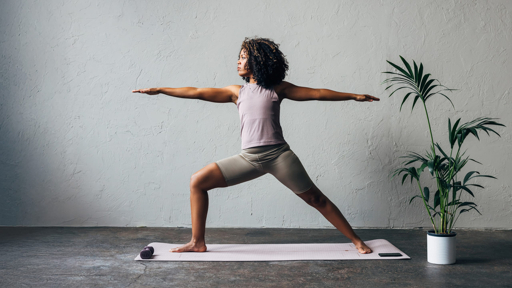
Yoga is often gentle, but it can still be surprisingly challenging. Holding your body in positions such as Plank, Chair Pose, Warrior II, Bridge Pose, or Downward-Facing Dog asks muscles to work together for support and stability.
Unlike a workout focused only on one muscle group, yoga often recruits the body as a whole. The legs help create a stable base. The core supports the spine. The arms and shoulders assist in weight-bearing poses. Balance work asks the body to make subtle adjustments from moment to moment.
The goal is not perfection. Everyone shakes, wobbles, loses balance, or needs to come out of a pose early. Yoga is designed to be adjusted. Bend the knees. Use a wall or a chair for support. Place a folded blanket beneath the knees. Choose a gentler version of a pose. Rest when you need to. Those modifications are not shortcuts. They are a smart way to build a practice that respects your body.

Rest Is Part of the Practice
The final minutes of a yoga session can be the most important. Stillness makes room for the body to settle, the breath to soften, and the day to feel a little less urgent.
A Better Way to End the Day
Yoga can be energizing in the morning, but it can also be restorative at night. After a day of sitting, standing, commuting, working, or caring for others, the body often carries a quiet accumulation of tension. A slower evening practice can help create a transition between the demands of the day and the rest you need.
Gentle movements such as Child’s Pose, a seated forward fold with bent knees, a reclined twist, or Legs-Up-the-Wall can feel especially soothing. Finish with a few moments lying comfortably on your back, breathing naturally.
In yoga, this final resting position is called Savasana. It may look like doing nothing, but it can be one of the most meaningful parts of the practice. It gives the body time to settle and asks the mind to stop striving, even briefly. Rest is not a reward for finishing everything. It is part of caring for yourself well enough to continue.
Try This Simple Five-Minute Sequence
The best yoga routine is not necessarily the longest one. It is the one you can actually return to. Choose a time that works naturally with your schedule: before breakfast, after work, during an afternoon break, or before bed.
- 1 Slow breathing — 1 minute: Sit comfortably and focus on calm, unforced breaths.
- 2 Cat-Cow — 1 minute: On hands and knees, gently round and arch the spine with your breath.
- 3 Standing Forward Fold — 1 minute: Keep a soft bend in the knees and let the upper body relax.
- 4 Low Lunge — 1 minute: Step one foot forward and gently stretch the hips, switching sides halfway through.
- 5 Resting pose — 1 minute: Lie down or sit quietly, letting your breath return to its natural rhythm.
If one day you only have time to breathe and stretch for two minutes, that still counts. Yoga is not an all-or-nothing practice. Its value is in returning—to your body, your breath, and the present moment—again and again.


